
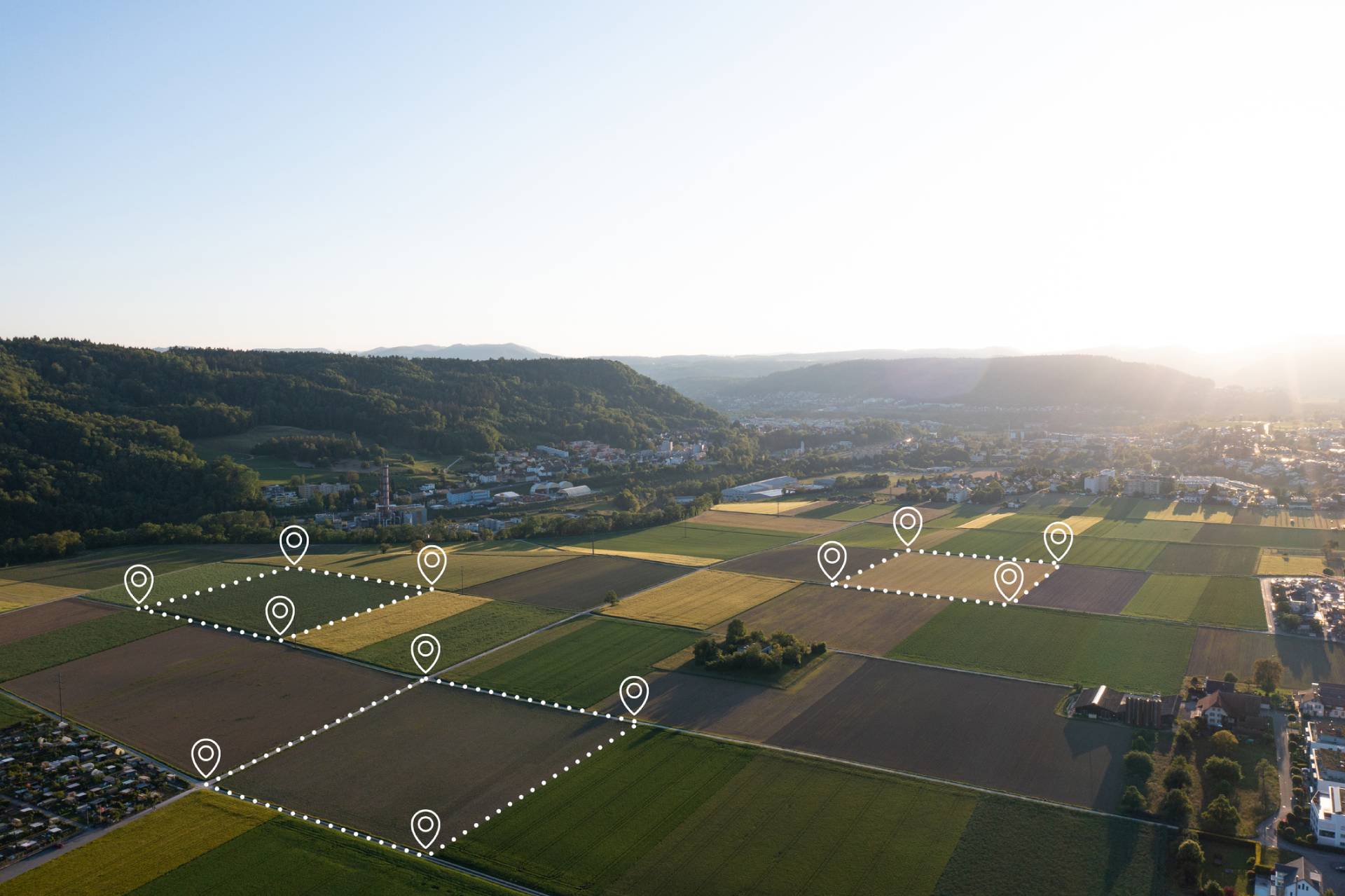
Regional Victoria has become one of the most active markets for residential land development in Australia – driven by genuine population growth, constrained housing supply, and a planning environment that increasingly recognises the need for more residential land in established regional centres. This article covers the key factors that drive developer interest in regional Victorian land.
Genuine housing demand
The starting point for any developer assessing a regional site is whether there is genuine, sustained demand for residential lots in the location. Regional Victoria is not a uniform market. Some towns are experiencing strong population growth driven by lifestyle migration, improved road and rail connectivity to Melbourne, and expanding local employment bases. Others are more stable. And some are genuinely declining, with limited prospects for meaningful residential development.
Locations with constrained housing supply, low vacancy rates, active real estate markets, and evidence of population growth are the most attractive. The strength of the local market is one of the most important factors in determining whether land is attractive to a developer, and at what price.
Proximity to services and infrastructure
Regional towns with strong service infrastructure – hospitals, schools, shops, sporting facilities, and transport links – are significantly more attractive development locations than those without.
Proximity to major regional centres and capital cities also matters. Towns within commuting distance of Melbourne, Geelong, Ballarat, Bendigo, or other major regional cities benefit from both local demand and overflow demand from people who want a regional lifestyle but need access to a larger employment base.
Planning context and pathway
The planning context of a site – its current zoning, the council’s growth strategy, and the availability of a realistic pathway to a residential outcome – has a significant bearing on developer interest.
In regional Victoria, the most common planning pathways for new residential development are land already zoned for residential use, land on the urban fringe identified for future residential growth, and land requiring a rezoning application.
Land that sits within or adjacent to a town’s identified growth boundary – or in a location that clearly makes sense for future residential expansion – is inherently more attractive than land where a residential outcome would require significant policy change.
Site characteristics that work for regional development
Regional land development has some specific site characteristics that developers pay attention to.
Lot size is one of them. Regional markets typically support larger lots than metropolitan areas – buyers in regional towns often want space, and the land cost economics support larger allotments.
Topography and character also matter. Regional buyers often value the landscape setting of a development – elevated sites with views, sites near rivers or natural features, or sites with a sense of space and openness tend to be well received.
Access and frontage are practical considerations – a site that is difficult to access or has limited frontage to an existing road adds cost and complexity that affects viability.
Landowner flexibility on structure
One factor that developers do not always discuss openly but that genuinely affects their interest in a site is the landowner’s flexibility on deal structure.
Sites where the landowner is willing to consider a range of structures – outright sale with a flexible settlement, a joint venture, a development agreement, or an option arrangement – are often more attractive than sites where the landowner requires an immediate unconditional purchase at a fixed price.
Many of the best regional development opportunities require a longer timeline – a rezoning process, a planning application, infrastructure works – before they can be fully realised. Developers who are considering taking on that risk and timeline need deal structures that reflect it.
Landowners who understand this and are open to discussing it tend to have better conversations with developers and tend to achieve better outcomes.
A note on timing
Developer interest in regional Victorian land is not static. It is influenced by market conditions, the developer’s own pipeline and capacity, planning policy changes, and infrastructure delivery timelines.
A site that did not attract strong developer interest two or three years ago may be a compelling opportunity today – because the market has moved, because infrastructure has arrived, or because planning policy has shifted in the site’s favour.
For landowners in regional Victoria who are curious about the development potential of their land, the most useful first step is a direct conversation with a developer who is actively operating in those markets – not to make any decisions, but to understand where their land sits and what realistic options may exist.
UrbanVale is actively looking for land across regional Victoria and selected interstate markets. If you own land in a regional Victorian town and want to understand whether it may have development potential, we welcome a confidential conversation.
Talk to UrbanVale about your regional land – urbanvale.com.au